This post may contain affiliate links. If you make a purchase through one of them, we may earn a small commission at no extra cost to you. See our Affiliate Disclosure for details.
There are countries that impress you for a few days, and there are countries that quietly stay in your mind long after you leave. For me, Oman belongs to the second category. After traveling through a large number of countries across the Middle East, Oman remains my personal favorite. Not because it is flashy or overwhelming, but because it feels authentic, peaceful, and surprisingly untouched.
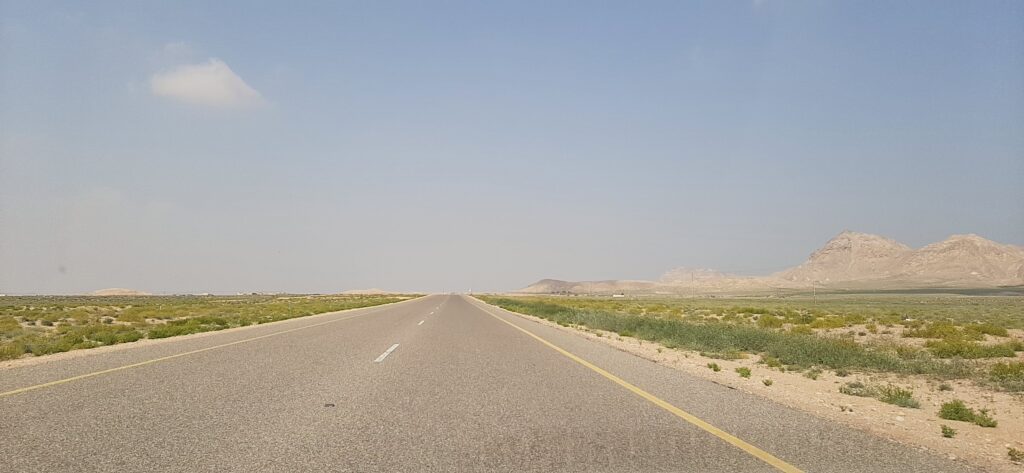
What struck me immediately about Oman was the atmosphere. The country feels calm. Roads are orderly, people are respectful, and there is a sense of tranquility almost everywhere, whether you are driving along the coast, walking through Muscat, or stopping in tiny villages far from the tourist routes.
One of the Safest Countries I Have Ever Visited
Oman is also one of the safest countries I have ever traveled through. The crime rate is extremely low compared to most destinations worldwide, and Oman consistently ranks among the safest countries in the Middle East. Violent crime is rare, and even petty theft is uncommon. Throughout my trip, I constantly felt comfortable driving alone, walking around cities at night, and stopping in isolated coastal areas without any concern.
That feeling of security completely changes the travel experience. Instead of staying alert all the time, you can simply relax and enjoy the country.
Staying at the Mutrah Hotel
During my time in Muscat, I stayed two nights at the Mutrah Hotel, and honestly, I absolutely loved the experience. The hotel itself was excellent, especially considering the value. One thing that immediately surprised me was the massive gym inside the hotel, which was far larger and better equipped than I expected.
But the real highlight had nothing to do with the hotel facilities themselves.
The hotel is located right next to two mosques, and every morning during the call to prayer, both mosques would begin their vocal recitations simultaneously. Instead of clashing, the voices blended together into something almost musical. I have traveled through many Muslim countries over the years, but Oman is, without question, the place where the vocal performances of the muezzins impressed me the most.
Waking up early with a coffee in hand while hearing those calls echo through Mutrah was genuinely one of my favorite memories from the trip. It felt less like noise and more like a kind of spiritual symphony floating across the city.
Muscat: A Capital That Feels Human
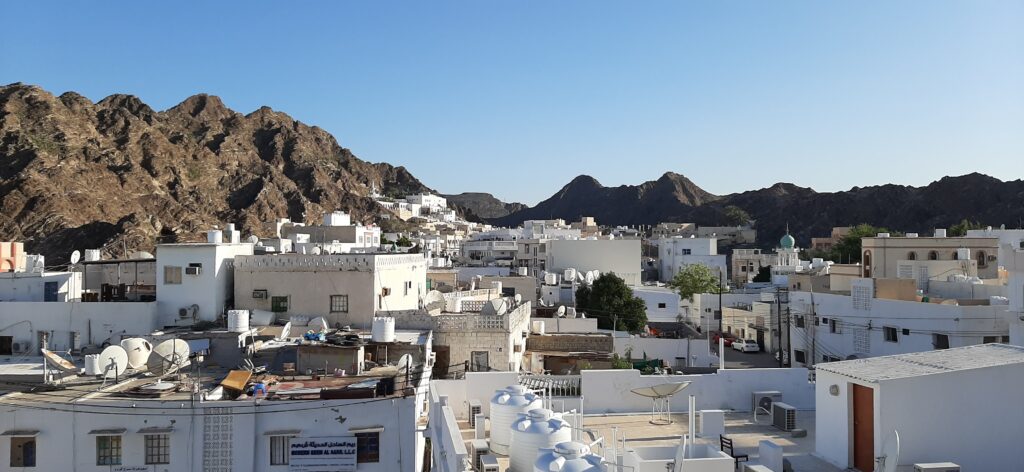
One of the things I appreciated most about Muscat is that it does not feel like a gigantic futuristic metropolis trying to impress tourists. Unlike some neighboring Gulf cities filled with skyscrapers and endless luxury developments, Muscat has kept a strong sense of identity.
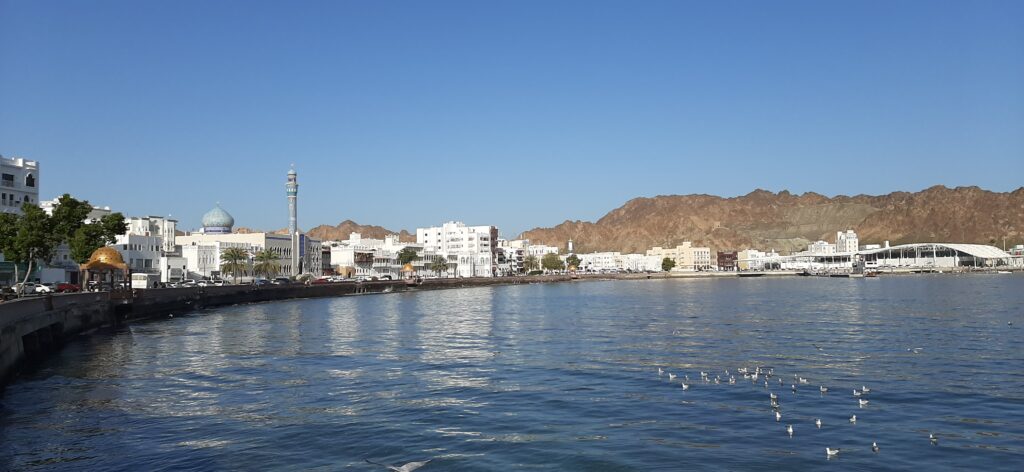
The city stretches naturally between the mountains and the sea, with white buildings, beautiful mosques, and winding coastal roads creating a scenery that feels unique to Oman.
The Mutrah Corniche quickly became one of my favorite places in the city. Walking along the waterfront in the late afternoon, with fishing boats floating in the harbor and mountains surrounding the bay, was incredibly relaxing. The atmosphere felt local and authentic rather than overly commercialized. Small cafés, local shops, and the nearby Mutrah Souq gave the area a timeless feeling.
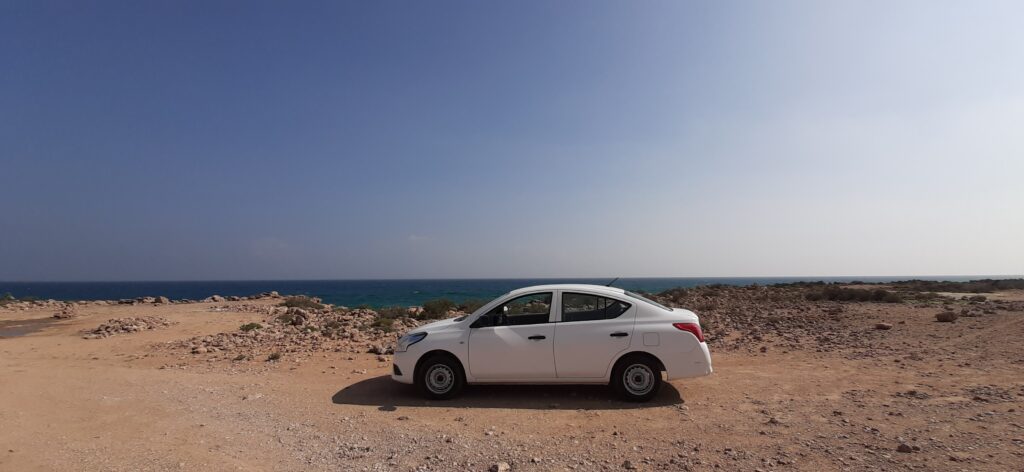
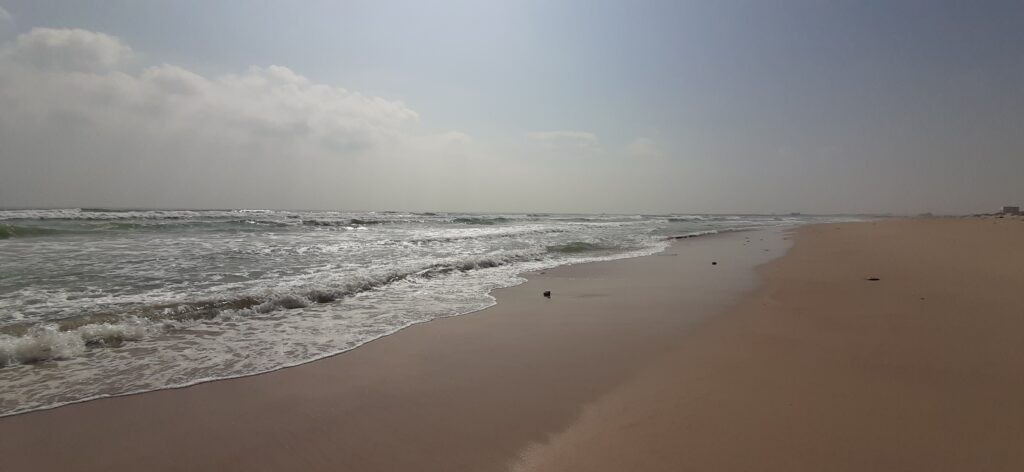
The coastline around Muscat is also spectacular. Many times during my road trip, I simply stopped the car beside the sea with absolutely nobody around me. Sitting quietly in front of the Arabian Sea, with nothing but wind and waves, became one of the simplest yet most memorable parts of the journey.
Sultan Qaboos Grand Mosque
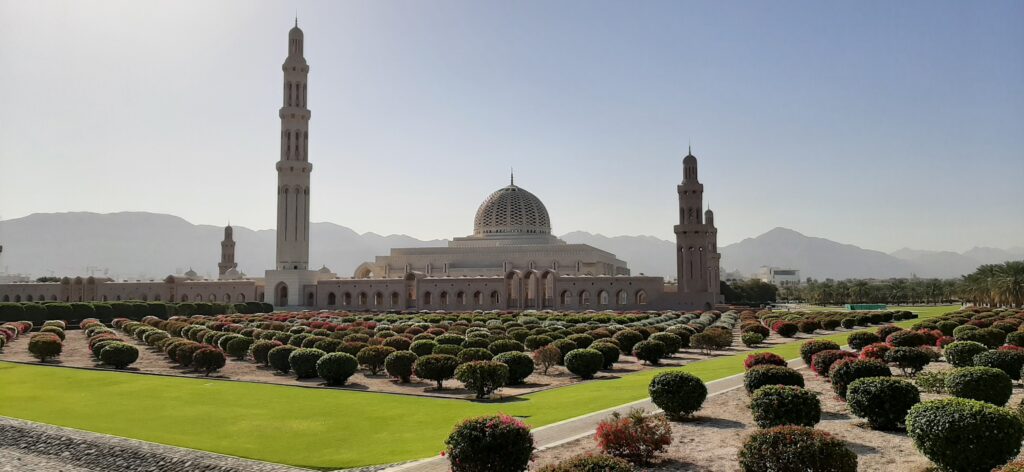
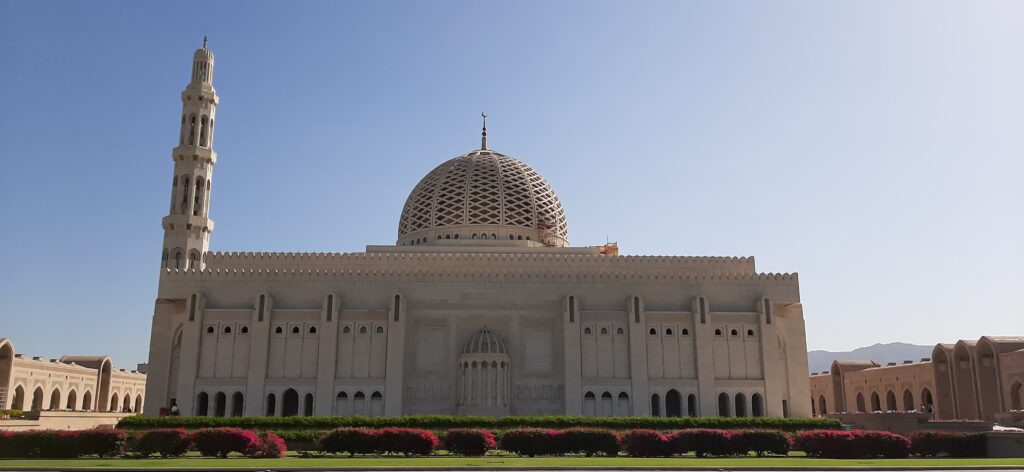
Another major highlight in Muscat was the Sultan Qaboos Grand Mosque.
The mosque is absolutely enormous, but what impressed me most was not just its scale — it was the elegance of the architecture. The symmetry, the detailed stonework, the giant dome, and the surrounding gardens create an atmosphere that feels both grand and peaceful at the same time.
Even for travelers who are not particularly interested in religious sites, this mosque is worth visiting purely for its architectural beauty. It is one of the most impressive buildings in Oman and easily one of the most beautiful mosques I have seen anywhere in the Middle East.
Renting a Car in Oman Is Essential
If there is one piece of advice I would give anyone visiting Oman, it is this: rent a car.
Oman is not a country you fully experience by staying in one city or relying only on organized tours. The freedom of having a car completely transforms the trip. Roads are generally excellent, driving is straightforward, and the landscapes constantly change as you move through the country.
Having a car allowed me to explore the coastline at my own pace, stop in random fishing villages, park beside empty beaches, and discover places that most tourists never see.
It also allowed me to drive all the way to Sur, one of the highlights of the trip.
Driving Along the Coast to Sur
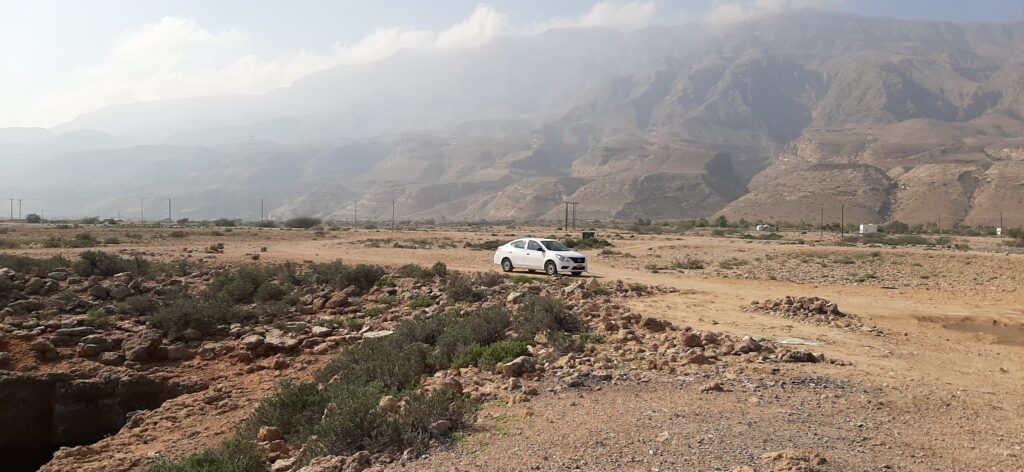
The coastal drive between Muscat and Sur is absolutely beautiful. Mountains collide directly with the sea, creating dramatic scenery almost the entire way.
Sur itself is a quiet coastal city known historically for its dhow shipbuilding traditions. The atmosphere there feels much slower and more traditional than Muscat. Walking near the waterfront and observing everyday life was one of the moments where Oman truly felt untouched by mass tourism.
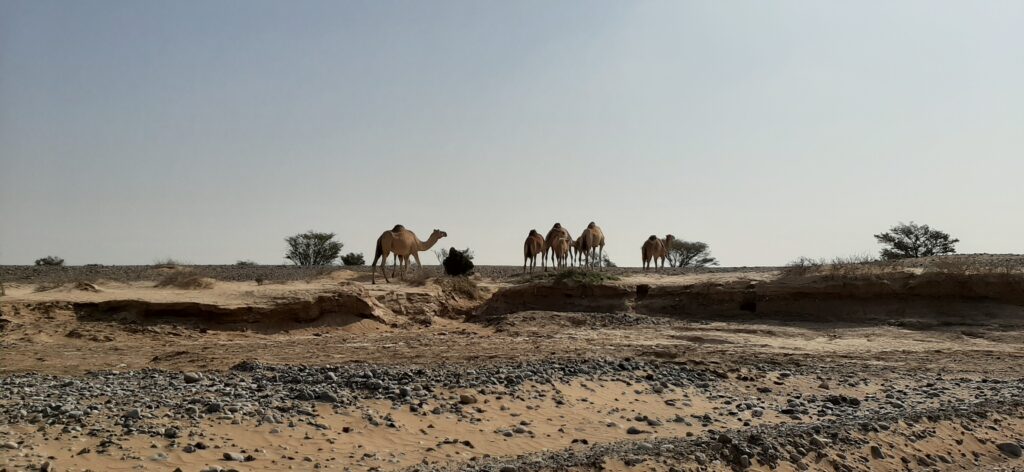
What I enjoyed most, however, were the countless small stops along the route rather than any single destination. Many times, I simply pulled over near the coast to admire the ocean in total silence. Sometimes there were camels wandering nearby. Other times there was absolutely nobody around for kilometers.
Those moments of solitude became some of my strongest memories from Oman.
Wadi Shab: Oman’s Natural Wonder
If Muscat showed me the cultural side of Oman, Wadi Shab revealed its natural beauty.
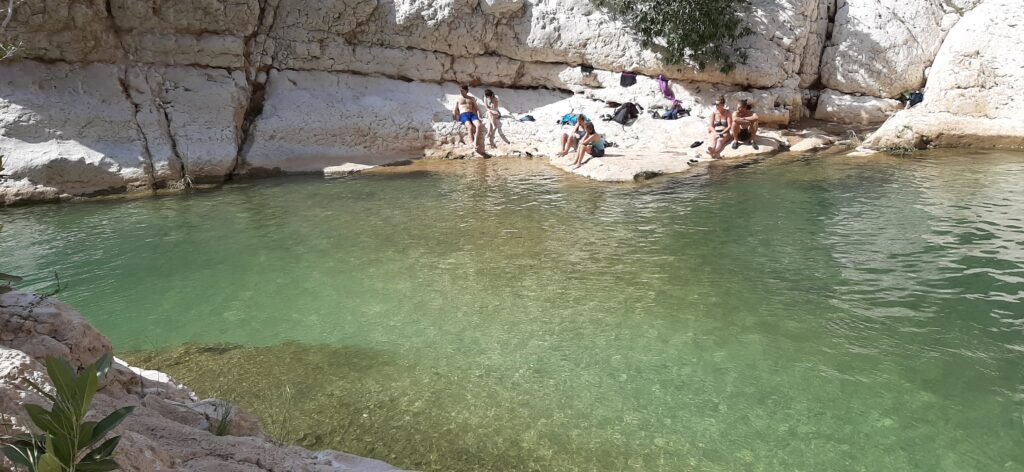
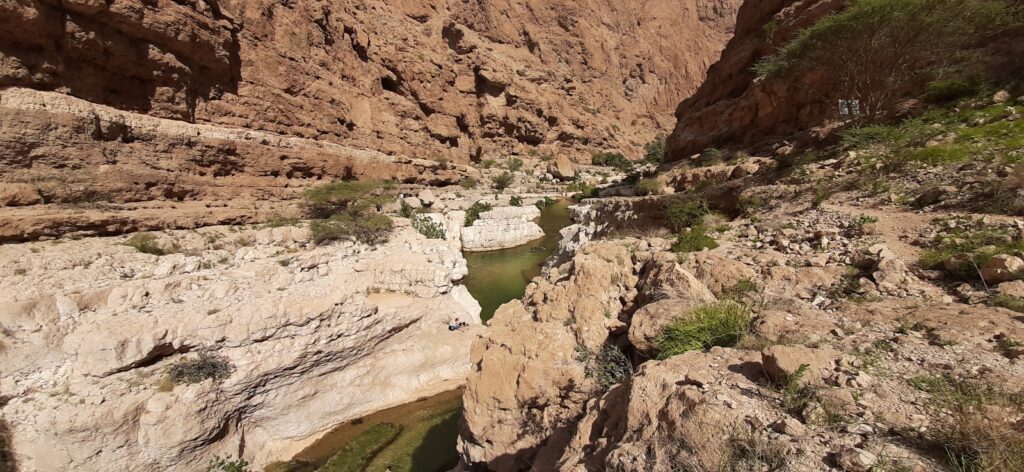
Wadi Shab is one of the most famous natural attractions in the country, and after visiting it, I completely understood why. The contrast is surreal: towering desert canyons suddenly opening into crystal-clear turquoise pools hidden between the rocks.
The hike itself is relatively accessible, but what makes the place unforgettable is the scenery. Swimming through the narrow canyon passages while surrounded by massive rock walls feels almost unreal.
The water was incredibly refreshing after the heat outside, and the entire environment felt peaceful despite the popularity of the site. It is easily one of the most visually impressive places I visited during my trip.
The Beauty of Oman’s Small Villages
One of the most rewarding aspects of the trip was something far simpler than famous attractions.
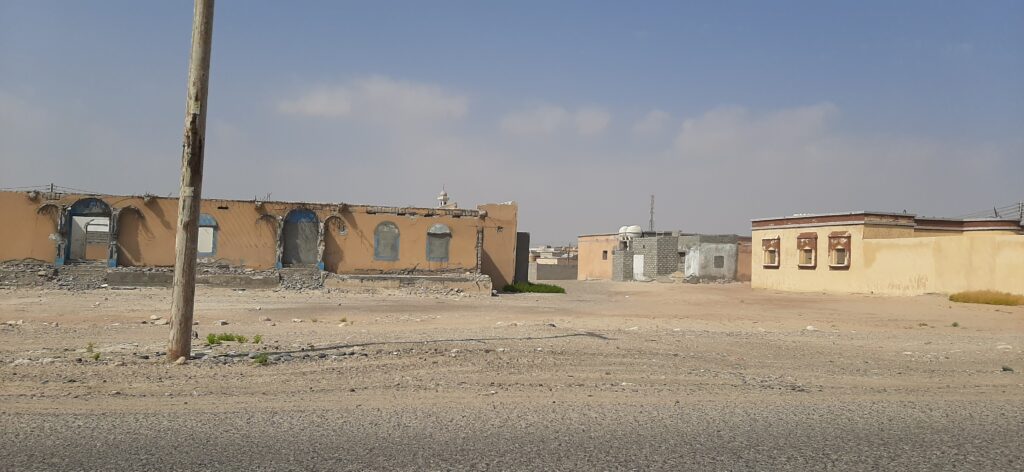
Because I had a rental car, I was able to stop in many small villages with virtually no tourists. In several places, I found tiny local restaurants serving traditional Omani food, often with almost no English spoken inside.
Those moments felt genuine. No tourist menus, no curated experiences, no performances designed for visitors — just ordinary daily life.
That authenticity is becoming increasingly rare in many parts of the world, and Oman still preserves it remarkably well.
Final Thoughts
Oman is not the kind of destination that overwhelms you with giant attractions every hour. Its beauty is quieter than that.
It is found in the empty coastal roads, the mountains surrounding Muscat, the sound of the call to prayer at sunrise, the hidden wadis, the peaceful villages, and the feeling of complete freedom while driving through landscapes that often seem untouched.
For travelers looking for safety, authenticity, spectacular scenery, and one of the best road trips in the Middle East, Oman is an extraordinary destination.
And for me personally, it remains my favorite country in the region