
This post may contain affiliate links. If you make a purchase through one of them, we may earn a small commission at no extra cost to you. See our Affiliate Disclosure for details.
I’ve now done three separate safari trips across East and Southern Africa, and I still get the same question from friends before every one: “Okay but which country is actually the best?” It’s a fair question, and an annoying one to answer, because the honest truth is “it depends what you want.” A sunrise over the Serengeti hits differently than a silent walk behind a rhino tracker in Namibia. So instead of dodging the question again, I sat down and ranked it properly — based on what I’ve seen myself and a deep dive into what current 2026 safari data says about wildlife density, cost, and crowds.
Here’s my list, in order.
1. Tanzania — the one that gets it all
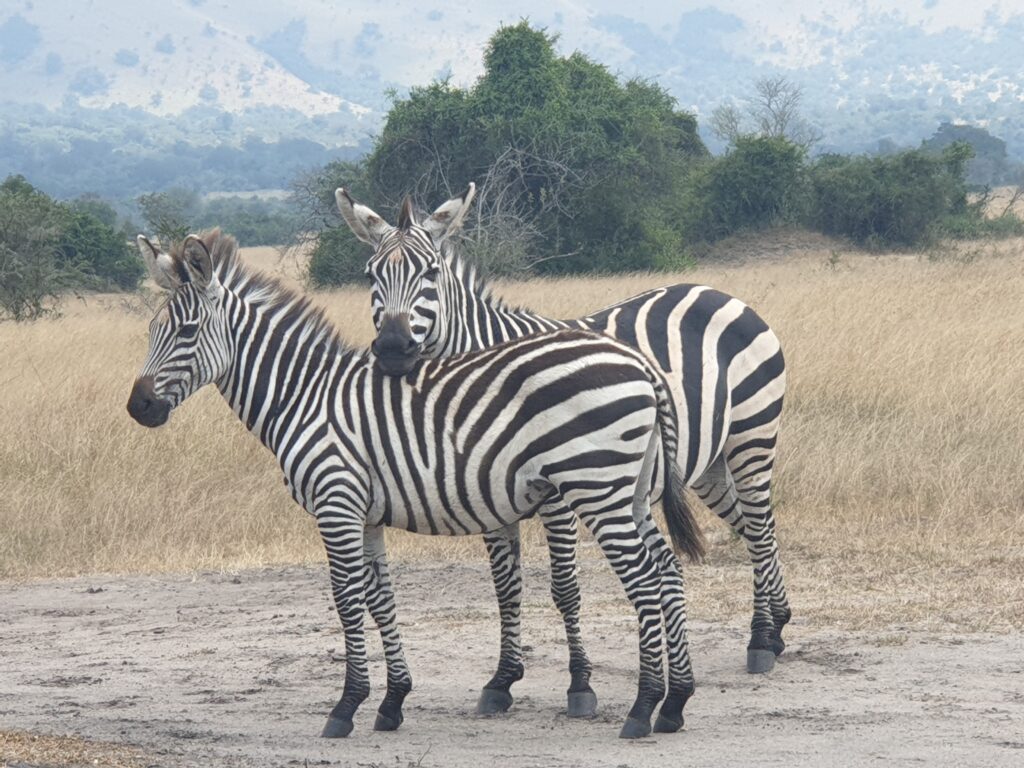
If you only do one safari in your life, Tanzania is the least likely to disappoint you. It’s home to the Serengeti, which for six years running has been rated the single best safari park in Africa by the people who actually track this stuff (SafariBookings’ annual survey, based on thousands of traveler reviews). Add the Ngorongoro Crater — a collapsed volcano that acts like a wildlife bowl, packing lion, elephant, and endangered black rhino into one dense, walled-in ecosystem — and you understand why Tanzania sits at the top.
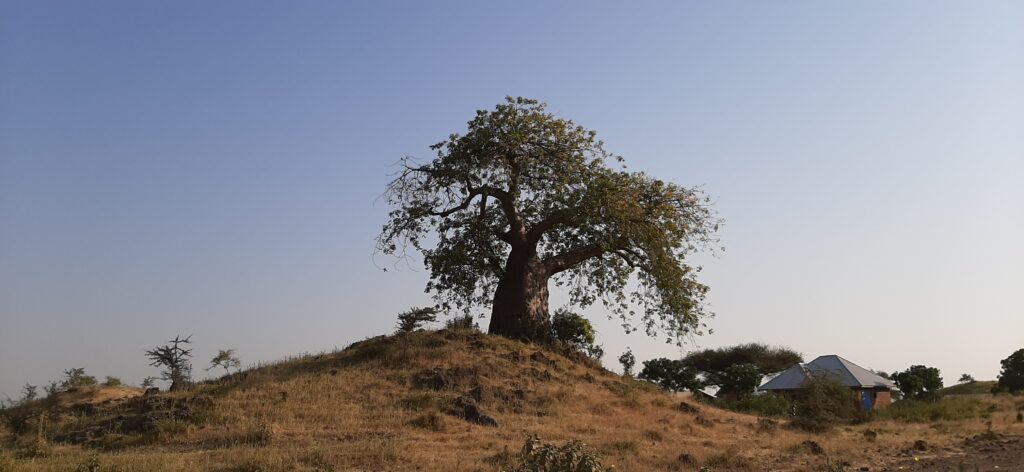
What sold me on Tanzania wasn’t even the Big Five. It was the baobabs. Those absurd, swollen, thousand-year-old trees dot the landscape like something out of a storybook, and watching one silhouette against a burning orange sunset is a memory that outlasts most of the animal sightings.
Best time to go: late June to October for the dry season and the famous Serengeti river crossings (August is peak crossing season, but also the busiest and priciest month). If you want to see the Great Migration’s calving season instead — half a million wildebeest calves born in a two-to-three week window — go in February.
2. Botswana — the quiet luxury pick
Botswana plays a completely different game than its neighbors. Rather than packing in visitors, the country deliberately caps tourist numbers through a low-density, high-cost model — which means when you’re on a boat gliding through the Okavango Delta, you’re genuinely not sharing that moment with fifteen other trucks. The Delta itself is consistently rated among Africa’s best individual safari destinations, and it’s one of the only places where you’ll safari by mokoro (a traditional dugout canoe) instead of just a 4×4.
The tradeoff is price. Botswana is not a budget safari destination, and it isn’t trying to be. But if you want the version of Africa where you hear more birdsong than other tourists, this is it.
Best time to go: May to September for the dry season, when wildlife clusters around the shrinking water sources and is easiest to spot. Go December to April if you don’t mind rain in exchange for newborn animals, migratory birds, and a much greener landscape.
3. Kenya — the original safari, and still one of the best
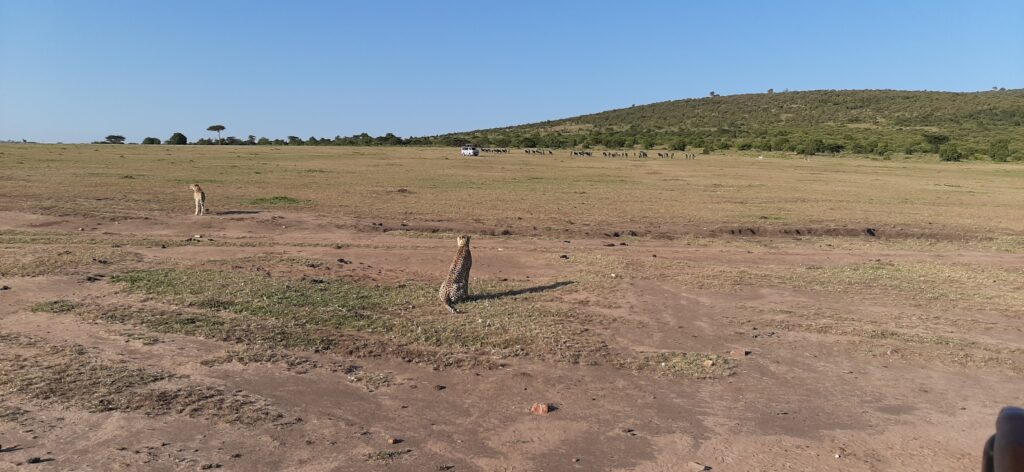
Kenya is where the word “safari” (Swahili for “journey”) basically entered the global vocabulary, and the Maasai Mara is why. It’s the same open, golden savanna you’ve seen in a hundred documentaries, and it forms the northern half of the Great Migration route that continues into Tanzania’s Serengeti. What I loved most wasn’t just the density of predators — I watched two cheetahs sit and scan the plains for a good twenty minutes before they moved — it was how much cultural depth is built into the visit. Many conservancies around the Mara are Maasai-owned and run, so a chunk of what you pay goes directly back to the community, and guides will often walk you through actual Maasai villages if you ask.
Best time to go: July through October, when the migration herds are physically in the Mara after crossing over from the Serengeti. Shoulder season (January–February) is quieter and cheaper, with good resident wildlife even without the migration.
4. Namibia — the one for people who think they’ve “done” safari already
Namibia is the answer if the classic Big-Five checklist safari doesn’t excite you anymore. It swaps dense wildlife-spotting for scenery and specialists: tracking black rhino on foot through the desert, finding elephants that have adapted to survive with almost no water, and camping under skies with close to zero light pollution. It’s a slower, starker kind of trip, and it rewards people who care as much about the landscape as the animals.
Best time to go: May to October (dry season) for the best wildlife concentration around waterholes, particularly in Etosha National Park.
5. South Africa — the easiest first safari
South Africa is where I’d point a first-timer who’s nervous about the logistics of “an African safari.” Kruger National Park and the private reserves around it have the most developed infrastructure of any country on this list — paved roads to some camps, excellent guiding standards, and lodges ranging from budget self-drive camps to properties that would make a five-star hotel jealous. Sightings of the Big Five are reliable enough here that you can genuinely plan around them rather than hoping for luck.
It’s not the wildest or most remote pick on this list. But for ease of entry, safety nets, and value for money, it’s hard to beat.
Best time to go: July to September (dry, cool winter) for the best game viewing. August is peak — book Kruger well ahead if you’re going then.
Merlin’s bonus tip: don’t skip Rwanda
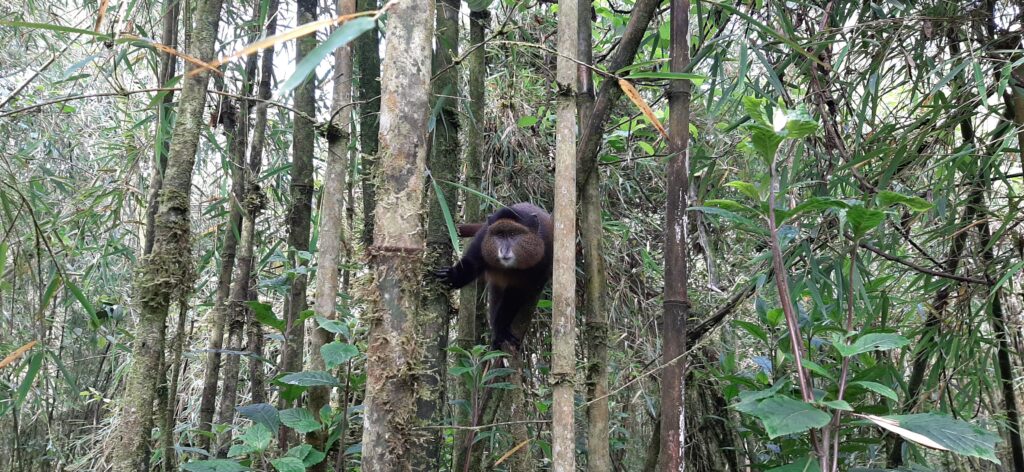
It’s not one of the “Big Five safari countries” in the traditional sense, but if you’re already flying into East Africa, Rwanda is absurdly easy to bolt onto a Kenya or Tanzania trip. I spent a morning trekking through bamboo forest in Volcanoes National Park tracking golden monkeys — an endangered species found almost nowhere else on Earth — and it remains one of my favorite two hours of any trip I’ve taken.
What to actually pack for a safari
A few things I wish someone had told me before my first trip:
Binoculars are not optional if you want to actually see anything beyond what’s parked ten feet from the truck — a decent pair of compact binoculars makes a bigger difference to your experience than almost any other single item.
Neutral colors matter more in some parks than others (tsetse flies are drawn to dark blue and black), so breathable, neutral-toned safari clothing is worth packing over your usual travel wardrobe.
Dust gets into everything, so a padded camera bag with good weather sealing will save your gear more than you’d expect.
And if you’re chasing wildlife photos, don’t underestimate the reach you need — a zoom lens or bridge camera with strong optical zoom will get you shots your phone simply can’t.
The honest bottom line
If I had to boil this down to one recommendation: Tanzania if it’s your first safari and you want the highlight reel, Kenya if you want the Maasai Mara specifically or you’re traveling in migration season, Botswana if budget isn’t the constraint and you want exclusivity, Namibia if you’ve already done the classic safari and want something stranger and quieter, and South Africa if ease and reliability matter more to you than remoteness.
There isn’t a wrong answer here. There’s just the version of Africa you’re in the mood for.
All photos in this article were taken by Merlin during his own travels through Rwanda, Kenya, and Tanzania. Some Amazon links in this post are affiliate links, which means Merlin may earn a small commission at no extra cost to you.