This post may contain affiliate links. If you make a purchase through one of them, we may earn a small commission at no extra cost to you. See our Affiliate Disclosure for details.
After visiting more than 80 countries, I started noticing something strange happening to me.
Places that would have completely blown my mind a few years earlier were becoming… normal.
Another tropical beach. Another beautiful mountain range. Another ancient temple. Another breathtaking sunset. Another “must-see” destination that thousands of people online claimed would change my life forever.
And the worst part?
Sometimes, I would arrive somewhere objectively incredible… and feel almost nothing.
This is something many long-term travelers rarely talk about publicly: travel burnout is real.
Not physical burnout. Psychological burnout.
The kind where your brain becomes overstimulated from constant novelty. The kind where your sense of wonder slowly starts fading away. The kind where you begin chasing stronger and stronger experiences just to feel the same excitement you once felt naturally.
I call this “The Traveler’s Syndrome.”
And at one point, it hit me harder than I ever expected.
The Week I Locked Myself in a Hotel Room in Sri Lanka
One of the moments that made me realize something was wrong happened in Sri Lanka.
At that point in my life, I had already traveled extensively across Asia. Thailand, Vietnam, Indonesia, Malaysia, Cambodia, the Philippines… country after country, island after island, temple after temple.
From the outside, it probably looked like I was living the dream.
But mentally, I was exhausted.
I remember arriving at my hotel in Sri Lanka completely drained. Not physically tired from transportation or hiking. Mentally tired from constantly being stimulated. Constantly moving. Constantly trying to “experience” things.
And then something unexpected happened.
I completely shut down.
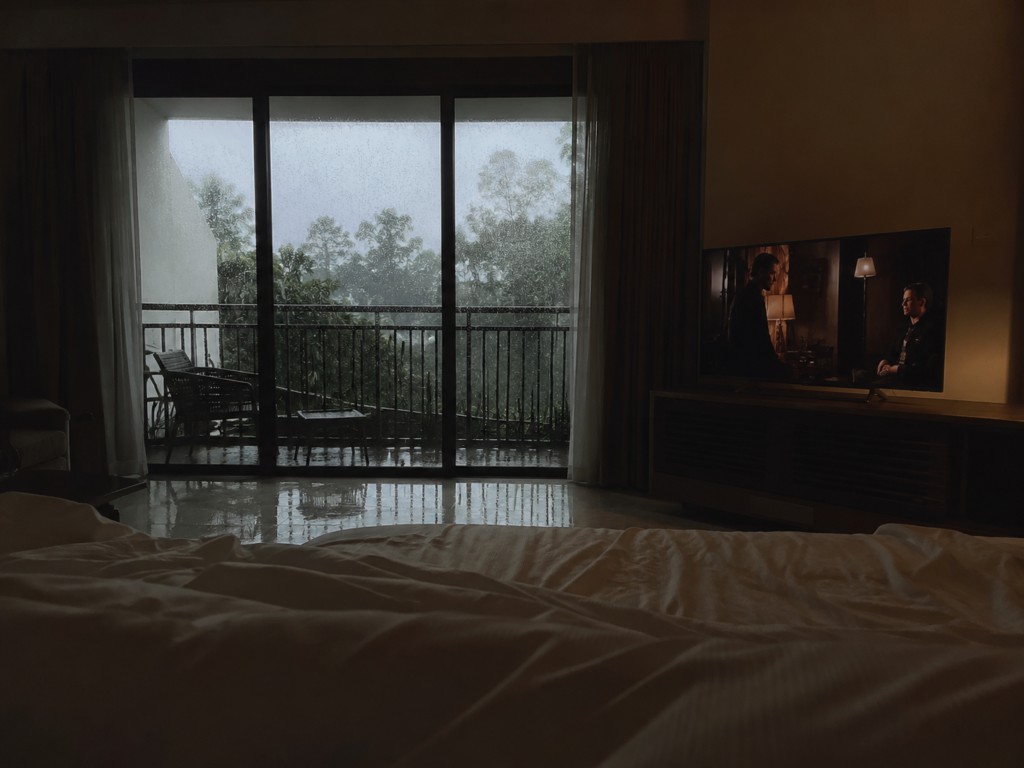
For an entire week, I barely left my hotel room.
I stayed inside watching TV series, ordering food, sleeping, scrolling online, and doing absolutely nothing productive or adventurous. I had no desire to explore. No desire to see temples. No desire to visit waterfalls. No desire to socialize.
Nothing impressed me anymore.
At first, I felt guilty.
How could I possibly waste a week in Sri Lanka sitting inside a hotel room?
But after a few days, I realized something important:
My brain was begging for rest.
Not from work.
From travel itself.
The Dopamine Problem Nobody Talks About
Travel creates massive dopamine stimulation.
Every country is filled with:
- new foods
- new languages
- new landscapes
- new people
- new transportation systems
- new hotels
- new emotions
- new adrenaline
When you first start traveling, everything feels magical because your brain is experiencing so much novelty.
But over time, something changes.
Your baseline moves.
What once felt extraordinary slowly becomes normal.
Your brain adapts.
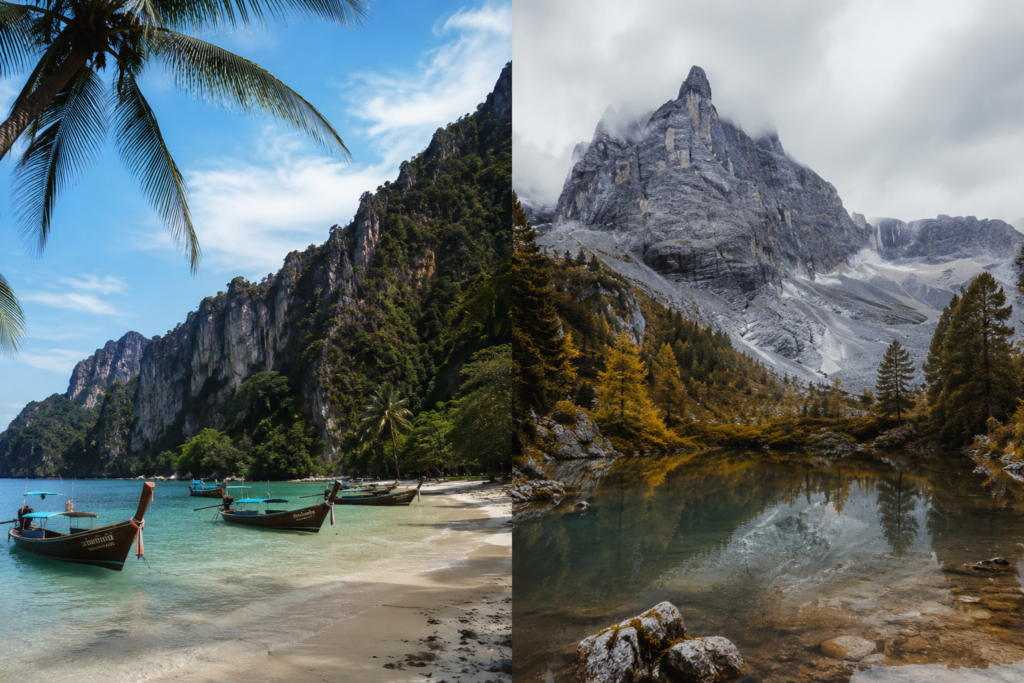
The first tropical beach you ever see may completely blow your mind.
By your 40th tropical beach, your brain quietly says:
“Oh. Another beautiful beach.”
Not because you became ungrateful.
But because humans adapt to stimulation incredibly fast.
This is why experienced travelers sometimes become harder to impress than beginners.
The problem is that many travelers react to this by trying to constantly increase the intensity of their experiences.
They chase:
- more exotic countries
- more remote places
- more adrenaline
- more luxury
- more danger
- more unique experiences
Without realizing they are slowly burning out their capacity for wonder.

Why I Believe Travelers Should Change Continents Frequently
One thing I discovered over the years is that staying too long in the same region of the world can accelerate travel fatigue.
For example, I personally love Asia.
It’s one of my favorite parts of the world.
But after spending months and months there continuously, I often begin feeling mentally saturated.
At some point:
- the architecture starts feeling repetitive
- the tropical climate feels normal
- the culture shock fades
- the excitement decreases
- the stimulation becomes background noise
It’s not because the continent becomes less beautiful.
It’s because your brain adapts.
And this is why I now strongly believe in something:
Long-term travelers should “reset” themselves regularly by changing continents.
Yes, it can be expensive.
Flying from Asia to Europe. Europe to North America. North America to the Middle East. South America to Africa.
It costs money.
But psychologically, it can completely refresh your mind.
Your senses wake up again.
The smells change. The landscapes change. The energy changes. The language changes. The food changes. The weather changes.
Your brain becomes curious again.
It feels like travel suddenly regains color.
I’ve noticed that after months in one region, even small things on another continent suddenly feel exciting again:
- grocery stores
- road signs
- forests
- coffee shops
- architecture
- conversations
- weather
The reset effect is real.
Sometimes the Best Travel Decision Is… Doing Absolutely Nothing
Another lesson I learned the hard way is this:
You are not supposed to explore every single day.
Modern travel culture often creates pressure to constantly optimize every moment.
People feel guilty if they:
- stay inside
- relax
- watch movies
- sleep late
- spend a day at the pool
- order food delivery
- do nothing
But after years of traveling, I’ve realized something:
Rest days are not wasted days.
They are survival days.
Now, when I travel long-term, I intentionally schedule decompression periods.
Sometimes I’ll book a comfortable hotel with:
- a good bed
- air conditioning
- a pool
- fast WiFi
- a television
And I’ll spend an entire weekend barely leaving the property.
I’ll swim. Watch movies. Sleep. Eat. Recover mentally.
And honestly?
Some of those weekends become some of my favorite memories.
Because travel is not supposed to feel like an endless performance.
You do not need to constantly chase experiences to justify being abroad.
Sometimes the most important thing you can do is allow your nervous system to breathe.

The Dangerous Illusion of Constant “Wow”
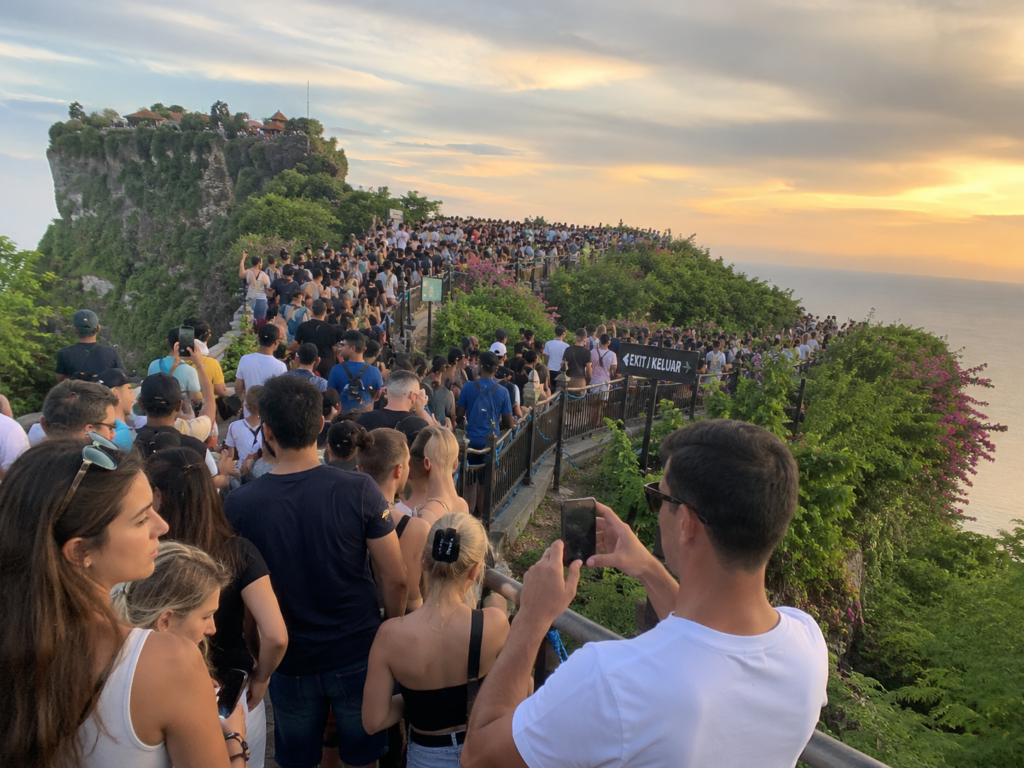
Social media has made this problem worse.
Many travelers unconsciously begin chasing the next “wow” moment.
The next:
- breathtaking viewpoint
- hidden beach
- insane Airbnb
- dramatic mountain
- viral destination
And eventually, normal beauty stops being enough.
That is a dangerous place to reach psychologically.
Because the world is still beautiful.
But your brain has become overstimulated.
I think many experienced travelers secretly struggle with this.
Not because they stopped loving travel.
But because they forgot how to slow down enough to actually feel it again.
How I Slowly Learned to Feel Wonder Again
Ironically, I started enjoying travel more again once I stopped trying to constantly maximize it.
I stopped trying to see everything.
I stopped chasing endless bucket lists.
I stopped forcing myself to explore when I was mentally exhausted.
Instead, I started appreciating smaller moments again:
- driving through foggy countryside roads
- finding a quiet café
- hearing rain from a hotel balcony
- discovering random villages
- watching sunsets without taking photos
- talking to locals
- sitting alone in silence
The older I get as a traveler, the more I realize that wonder is not something you force.
It’s something you create space for.
And sometimes, the best thing you can do for your love of travel… is to temporarily stop traveling like a traveler.
Rest. Slow down. Stay still. Watch movies in a hotel room. Sleep for 12 hours. Ignore the itinerary.
The world will still be there tomorrow.
And when your mind is finally rested again, you may suddenly find yourself feeling amazed by things you had stopped noticing long ago.
That’s when travel becomes magical again.